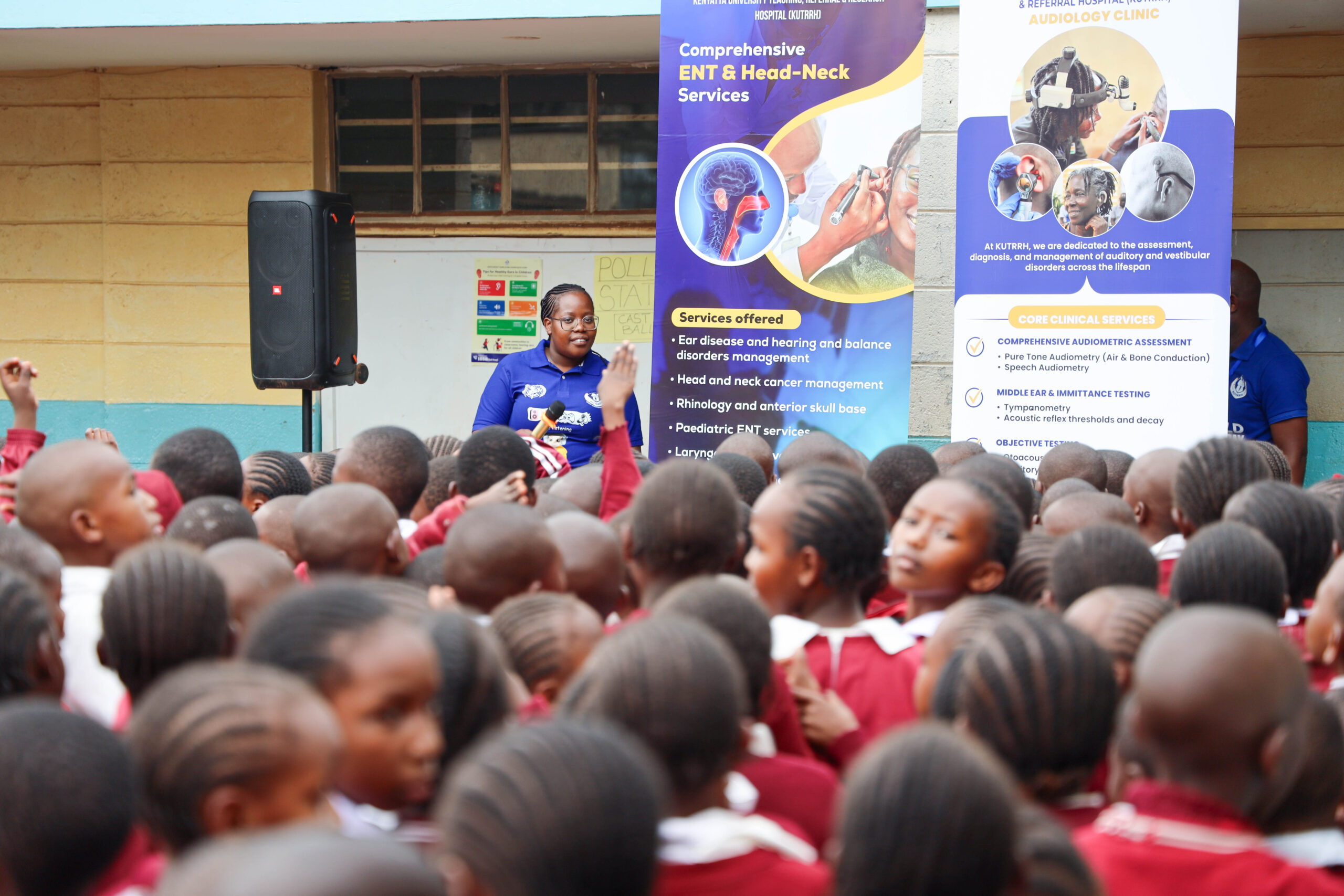
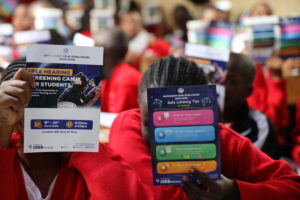
School-based sensitization sessions formed an important part of the outreach. The team visited Mahiga Junior Secondary School, Kahawa Comprehensive School, Kamiti Comprehensive School, and Kiwanja Primary School, engaging both primary and secondary school learners in interactive discussions on ear and hearing health. During these sessions, students were taught how the ear functions and why good hearing is essential for learning, communication, and overall development.
Learners were sensitized on early signs of hearing loss, including difficulty hearing teachers in class, frequently asking others to repeat themselves, turning up the volume of electronic devices excessively, persistent ear pain, ringing in the ears, ear discharge, and a sensation of blocked ears. The team also highlighted common causes of hearing loss such as untreated ear infections, prolonged exposure to loud noise, inserting objects into the ear, ear injuries, and certain illnesses. Practical preventive measures were emphasized, including keeping ears clean and dry, avoiding insertion of objects into the ear, minimizing exposure to excessive noise, and seeking prompt medical attention when ear-related symptoms arise. Through these engagements, learners were empowered with knowledge to protect their hearing and encouraged to report ear-related concerns early, both at school and at home. The outreach underscored the importance of early detection and timely treatment in preventing long-term hearing challenges and supporting improved academic performance.
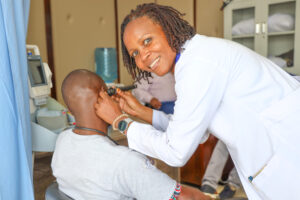
KUTRRH also offered hearing screening services at the hospital, providing free hearing assessments to the public. Led by clinical audiologist Paul Gitau, the ENT team conducted ear examinations, hearing tests, and professional consultations to identify hearing challenges and guide patients on appropriate care and treatment options. Approximately 80 patients benefited from the screening, with those requiring further attention referred for specialized ENT care.