
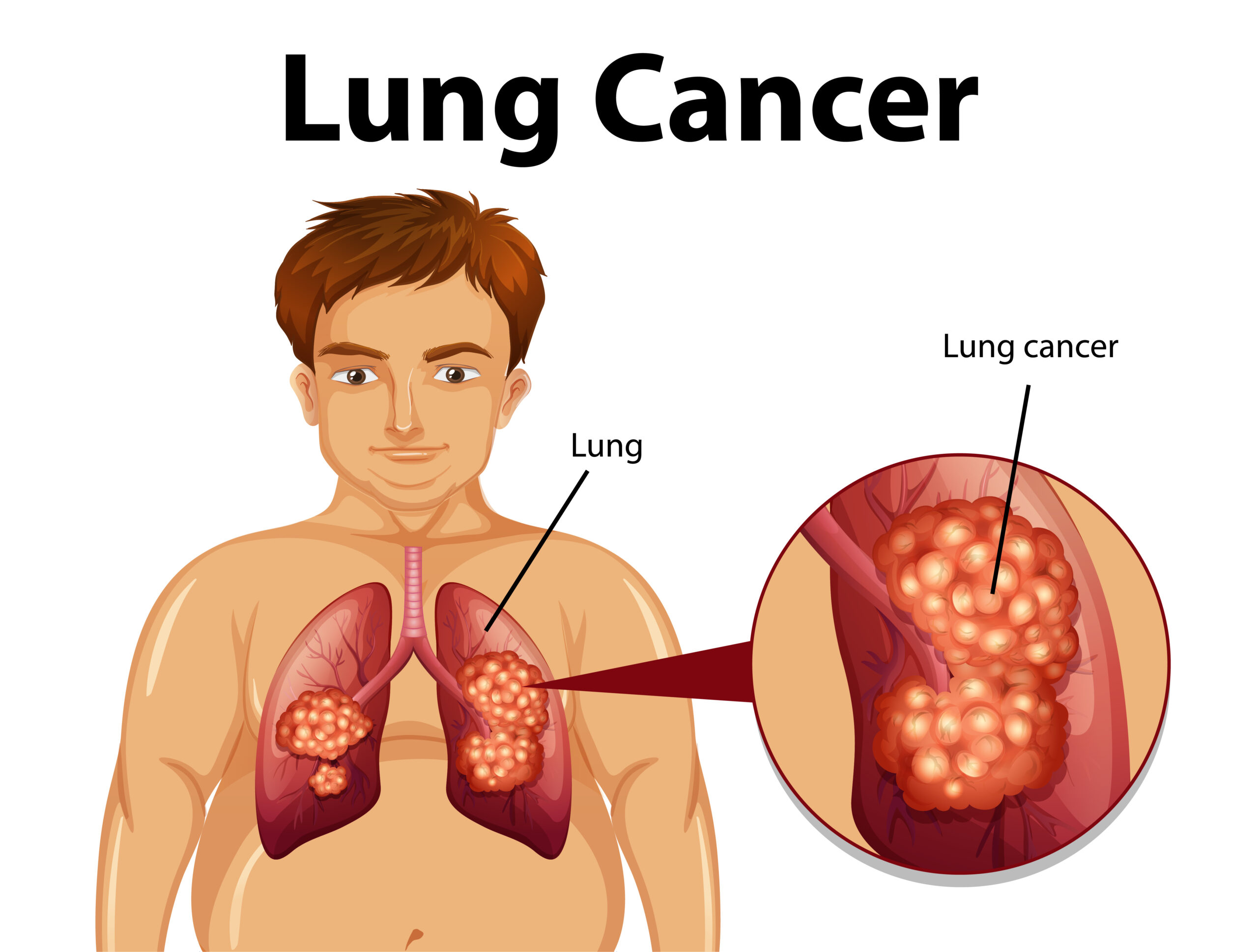
Lung cancer is one of the most common and deadly forms of cancer worldwide, affecting millions of people each year. While tobacco smoking remains the leading risk factor, exposure to air pollution, occupational hazards, second-hand smoke, and certain genetic factors can also increase the likelihood of developing the disease. Lung cancer occurs when abnormal cells grow uncontrollably within the lungs, forming tumors that interfere with normal breathing and lung function.
One of the greatest challenges in managing lung cancer is that symptoms often appear only after the disease has advanced. Persistent cough, chest pain, shortness of breath, coughing up blood, unexplained weight loss, fatigue, and recurring chest infections should never be ignored and warrant prompt medical evaluation.
Why Early Detection Matters
Early detection significantly improves the chances of successful treatment and long-term survival. Screening and timely diagnosis can identify lung cancer before symptoms become severe, allowing patients to access treatment at the most treatable stages of the disease. Individuals at higher risk, particularly current and former smokers, are encouraged to undergo regular screening and seek medical attention if they experience persistent respiratory symptoms. Modern diagnostic techniques play a vital role in detecting and accurately characterizing lung cancer. These include:
- Computed Tomography (CT) scans
- Magnetic Resonance Imaging (MRI)
- Bronchoscopy
- Tissue biopsies
- Histopathological examinations
- Molecular and genetic testing
These advanced diagnostic tools help specialists determine the type, stage, and characteristics of the cancer, enabling personalized treatment planning for every patient.
Comprehensive Lung Cancer Care at KUTRRH
At Kenyatta University Teaching, Referral and Research Hospital (KUTRRH), patients have access to comprehensive lung cancer services through the Cancer Care Centre. The hospital offers a multidisciplinary approach that brings together highly skilled oncologists, radiologists, oncology nurses, medical physicists, radiotherapy technologists, pharmacists, and other healthcare professionals to provide coordinated, patient-centred care. From diagnosis through treatment and follow-up care, every patient benefits from a personalized treatment plan tailored to their specific cancer type, stage, and overall health needs.
Services Available at KUTRRH
Patients diagnosed with lung cancer can access a full spectrum of cancer care services, including:
- Advanced diagnostic imaging
- Surgical oncology
- Chemotherapy
- Precision radiotherapy
- Supportive care services
- Palliative and symptom management care
- Ongoing monitoring and follow-up
This integrated approach ensures patients receive comprehensive treatment and support throughout their cancer journey.
Advanced Technology Driving Better Outcomes
KUTRRH continues to strengthen cancer care through strategic investment in cutting-edge medical technology designed to improve early detection, diagnostic accuracy, treatment precision, and patient outcomes. A key pillar of this effort is the Integrated Molecular Imaging Centre (IMIC), which enhances cancer detection, staging, treatment monitoring, and overall disease management. Through advanced imaging technologies, clinicians can identify cancer earlier, assess disease progression more accurately, and make informed treatment decisions. The hospital’s diagnostic capabilities include:
- CT scans
- MRI scans
- Ultrasound imaging
- Specialized laboratory testing
- Molecular imaging and nuclear medicine services
These technologies help clinicians accurately locate tumors, assess cancer spread, guide biopsies, and evaluate treatment response with greater precision.
Precision Radiotherapy with LINAC Technology
KUTRRH’s state-of-the-art Linear Accelerator (LINAC) plays a critical role in the treatment of lung cancer. The technology delivers highly targeted radiation therapy directly to cancerous tissues while minimizing exposure to surrounding healthy organs. Key benefits of LINAC treatment include:
- Improved treatment precision
- Enhanced patient safety
- Reduced damage to healthy tissues
- Better treatment outcomes
- Shorter waiting times for radiotherapy services
Combined with KUTRRH’s nuclear medicine and molecular imaging services, LINAC technology supports a precision medicine approach that enables more accurate treatment and monitoring of lung cancer.
Prevention Is the Best Protection
Although advances in cancer treatment continue to improve survival rates, prevention remains the most effective strategy against lung cancer. You can lower your risk by:
- Avoiding tobacco use
- Staying away from second-hand smoke
- Reducing exposure to occupational hazards
- Minimizing exposure to environmental pollutants
- Attending routine screenings if you are at high risk
- Seeking prompt medical attention for persistent respiratory symptoms
Greater public awareness, regular screening, and early intervention are essential in reducing the burden of lung cancer and improving quality of life.
Transforming Lung Cancer Care Through Innovation
As lung cancer continues to present a significant public health challenge, KUTRRH remains committed to advancing cancer care through innovation, research, specialized expertise, and modern technology. By combining early detection, advanced diagnostics, precision treatment, multidisciplinary care, and compassionate patient support, KUTRRH is helping patients achieve better outcomes while providing hope, healing, and improved quality of life for individuals and families affected by lung cancer.