Every day, patients arrive at Kenyatta University Teaching, Referral & Research Hospital (KUTRRH) to receive quality care in a serene, green environment that seamlessly blends nature with modern healthcare infrastructure. Beyond this calm and welcoming setting, the hospital is committed to addressing one of the most critical challenges in healthcare today safe medical waste management and environmental sustainability.
Why Sustainable Healthcare Matters
Globally, the healthcare sector contributes approximately 5% of greenhouse gas emissions, equivalent to 2–3 billion metric tonnes of CO₂ annually. Additionally, about 15% of healthcare waste is highly hazardous, posing risks to both human health and the environment. In Kenya, hospitals generate between 0.61 and 1.03 kilograms of waste per bed each day, highlighting the urgent need for responsible waste management.
At KUTRRH, we actively respond to this challenge through innovative, integrated, and sustainable practices that protect patients, staff, and the environment.
Our Commitment to Safe and Efficient Waste Management
1.Proper Waste Segregation for Safer Care
KUTRRH follows strict Ministry of Health guidelines and the Sustainable Waste Management Act of 2022 to ensure safe handling of medical waste.
- Color-coded waste separation at source:
- Black – General waste
- Yellow – Infectious waste
- Red – Highly infectious waste
- Purple – Cytotoxic waste
Benefit: Reduces the risk of infections, ensures safe disposal, and protects healthcare workers and patients.
Staff and patients are regularly trained to follow these systems, ensuring consistent compliance and improved safety standards.
2.Advanced On-Site Medical Waste Treatment
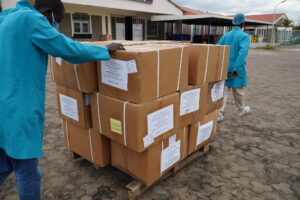
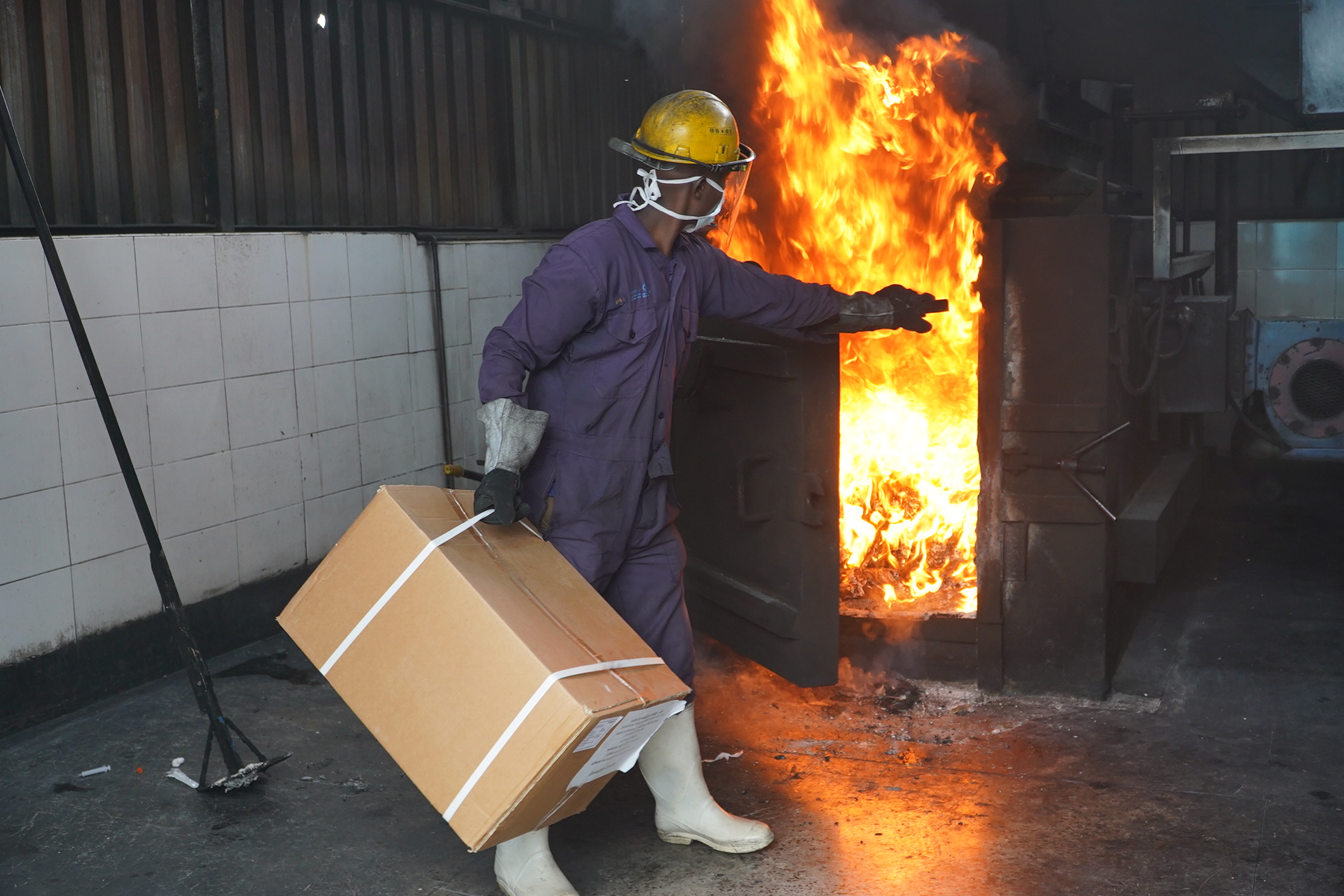
The hospital operates a modern on-site incinerator that safely processes approximately 1.6 tonnes of medical waste daily.
- High-temperature treatment neutralizes harmful pathogens
- Equipped with advanced pollution control systems, including a wet scrubber, to prevent harmful emissions
- Eliminates reliance on third-party waste disposal
Benefits:
- Saves approximately Ksh 48,000 daily
- Enhances infection control
- Minimizes environmental pollution
3.Energy Efficiency Through Behavioral Change
Sustainability at KUTRRH begins with simple, everyday actions. Through awareness campaigns and reminders—such as switching off lights when not in use—the hospital promotes energy-saving behaviors among staff and visitors.
Benefits:
- Reduced electricity consumption
- Lower operational costs
- Decreased reliance on fossil-fuel-based energy
These small actions collectively create a significant environmental impact.
4.Innovative Heat Recovery for Sustainable Energy Use
KUTRRH has implemented a heat recovery system that captures excess energy generated during waste incineration.
- Reuses heat to warm water for hospital wards
- Reduces dependence on fuel-powered boilers
Benefits:
- Saves approximately 4,800 litres of fuel per month
- Lowers greenhouse gas emissions
- Improves energy efficiency
5.Cleaner Air and Greener Spaces
In line with Kenya’s Air Quality Regulations 2024, KUTRRH prioritizes:
- Continuous air quality monitoring
- Tree planting and greening initiatives
Benefits:
- Reduces air pollution
- Prevents diseases linked to poor air quality
- Creates a healthier healing environment for patients
Supporting National and Global Sustainability Goals
KUTRRH aligns its operations with:
- Kenya’s target to reduce greenhouse gas emissions by 35% by 2035
- The Ministry of Health Green Agenda
- Sustainable Development Goals (SDGs):
- SDG 3 – Good Health and Well-being
- SDG 12 – Responsible Consumption and Production
- SDG 13 – Climate Action
Delivering Better Care Through Sustainability
At KUTRRH, sustainability goes hand in hand with healthcare excellence. By integrating environmentally responsible practices into daily operations, the hospital:
- Enhances patient safety
- Improves operational efficiency
- Reduces healthcare costs
- Protects the environment for future generations
KUTRRH is not just treating patients we are building a healthier, greener future for all.