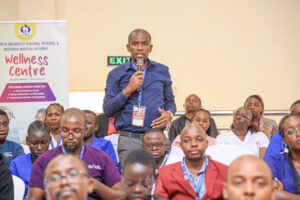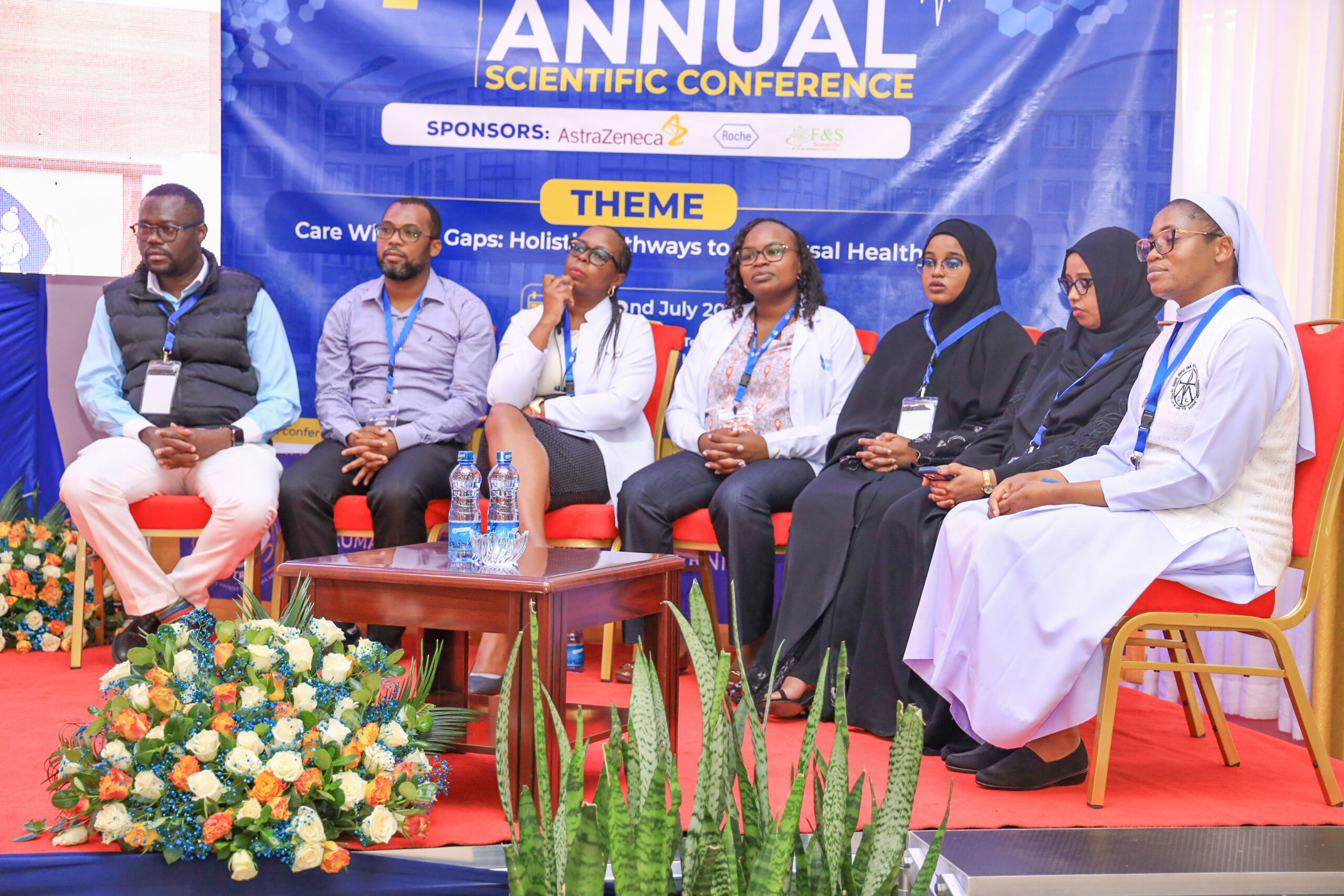
Kenyatta University Teaching, Referral and Research Hospital (KUTRRH) successfully hosted its 2nd Annual Scientific Conference on 1st and 2nd July 2026, bringing together leading healthcare professionals, researchers, policymakers, academicians, students, and industry partners under the theme “Care Without Gaps: Holistic Pathways to Universal Health Care.”
The two-day conference served as a dynamic platform for knowledge exchange, scientific learning, and professional collaboration, reinforcing the critical role of research and innovation in strengthening healthcare systems and advancing Universal Health Coverage (UHC) in Kenya and beyond.
Driving Evidence-Based Solutions for Better Healthcare
Through engaging keynote presentations, panel discussions, scientific sessions, and research presentations, participants explored practical solutions to some of today’s most pressing healthcare challenges. The conference highlighted the importance of integrated, patient-centred care, emphasizing the need to bridge gaps across prevention, diagnosis, treatment, rehabilitation, and long-term health management.
A key focus of the discussions was the integration of mental health services into mainstream healthcare systems, recognizing the growing importance of holistic brain and mind care in improving overall health outcomes. Experts examined strategies for building resilient health systems that ensure equitable access to quality healthcare for all populations.
Advancing Surgical and Cancer Care Innovation
The conference showcased significant progress in surgery, oncology, and specialized healthcare services. Participants discussed Kenya’s National Surgical Services Strategic Plan (2026–2031) and its potential to improve access to safe, affordable, and timely surgical care.
Scientific presentations highlighted advances in cancer research, modern cancer treatment technologies, and the use of cancer registry data to support evidence-based decision-making. Discussions also explored innovative therapies such as Stereotactic Body Radiation Therapy (SBRT) and emerging approaches to improving cancer diagnosis and treatment outcomes.
KUTRRH further demonstrated its growing contribution to global health research through presentations on international research collaborations, particularly in the area of oesophageal cancer, strengthening the hospital’s position as a leading research institution in the region.
Showcasing Diverse Clinical Research and Best Practices
The scientific programme featured a broad range of clinical and healthcare research presentations covering:
- Surgical management of complex medical conditions
- Hepatobiliary and gastrointestinal diseases
- Chronic kidney disease management
- Interventional radiology innovations
- Rare vascular diseases
- Emerging clinical treatment approaches
These presentations provided valuable insights into current best practices, emerging research findings, and opportunities for improving patient care across multiple specialties.
Addressing the Growing Burden of Obesity
A multidisciplinary symposium on obesity brought together experts from various healthcare fields to discuss obesity as a chronic disease and a growing public health concern. Discussions examined the relationship between obesity and cancer, while emphasizing the importance of prevention, nutrition, lifestyle modification, and comprehensive treatment strategies to improve long-term health outcomes.
Strengthening Maternal, Child and Public Health Outcomes
The conference also provided an important platform for advancing discussions on maternal and child health. Presentations explored maternal mortality trends, maternal and perinatal health surveillance, cancer management during pregnancy, and community-based interventions aimed at improving child survival and maternal wellbeing.
In addition, emergency medicine specialists shared valuable insights on disaster preparedness, disease surveillance systems, and strategies for responding to emerging public health threats such as Ebola and Mpox, highlighting the need for strong health emergency response mechanisms.
Harnessing Digital Health, Artificial Intelligence and Advanced Medical Technologies
Innovation was a central theme throughout the conference, with experts showcasing the transformative potential of technology in healthcare delivery. Participants explored advancements in:
- Digital health systems and integrated healthcare solutions
- Artificial intelligence (AI) in medicine
- AI-supported management of chronic diseases
- Digital wound assessment technologies
- Advanced precision medicine approaches
- Radiopharmaceutical manufacturing innovations
The conference also highlighted KUTRRH’s leadership in specialized healthcare services through presentations from the Integrated Molecular Imaging Centre, including developments in Lutetium-177 PSMA radioligand therapy, a cutting-edge treatment option for advanced prostate cancer.
Celebrating Excellence in Research and Innovation
The conference concluded with the recognition of outstanding scientific abstracts and research presentations, celebrating excellence in healthcare research, innovation, and knowledge generation.
Beyond the scientific discussions, the event fostered meaningful networking opportunities, interdisciplinary learning, and strategic partnerships among healthcare professionals and institutions. These collaborations are expected to support future research initiatives, strengthen clinical practice, and accelerate the adoption of innovative healthcare solutions.
Reinforcing KUTRRH’s Role as a Centre of Excellence
The successful hosting of the 2nd Annual Scientific Conference reaffirmed KUTRRH’s commitment to excellence in clinical care, medical research, healthcare innovation, and evidence-based practice. By bringing together diverse experts and showcasing groundbreaking research, the conference strengthened the hospital’s contribution to improving health outcomes, advancing medical knowledge, and supporting the achievement of Universal Health Coverage in Kenya and across the region.
As KUTRRH continues to invest in research, innovation, and specialized healthcare services, the annual scientific conference remains an important platform for shaping the future of healthcare and promoting sustainable, patient-centred solutions for healthier communities.