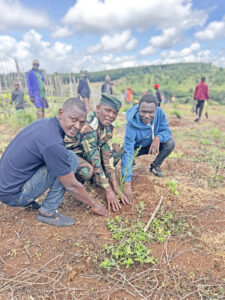
Kenyatta University Teaching, Referral & Research Hospital (KUTRRH) has reinforced its commitment to environmental sustainability after successfully achieving its annual target of 52,000 trees planted during the 2025/2026 Financial Year. This milestone forms part of the Hospital’s long-term ecosystem restoration programme aimed at promoting biodiversity conservation, carbon sequestration, watershed protection, and climate change mitigation.As environmental challenges increasingly impact public health, KUTRRH recognizes that protecting ecosystems is essential to building healthier communities and a more sustainable future. Through strategic environmental investments, the Hospital continues to demonstrate how healthcare institutions can contribute meaningfully to national and global sustainability goals.
Advancing Ecosystem Restoration Beyond Tree Planting
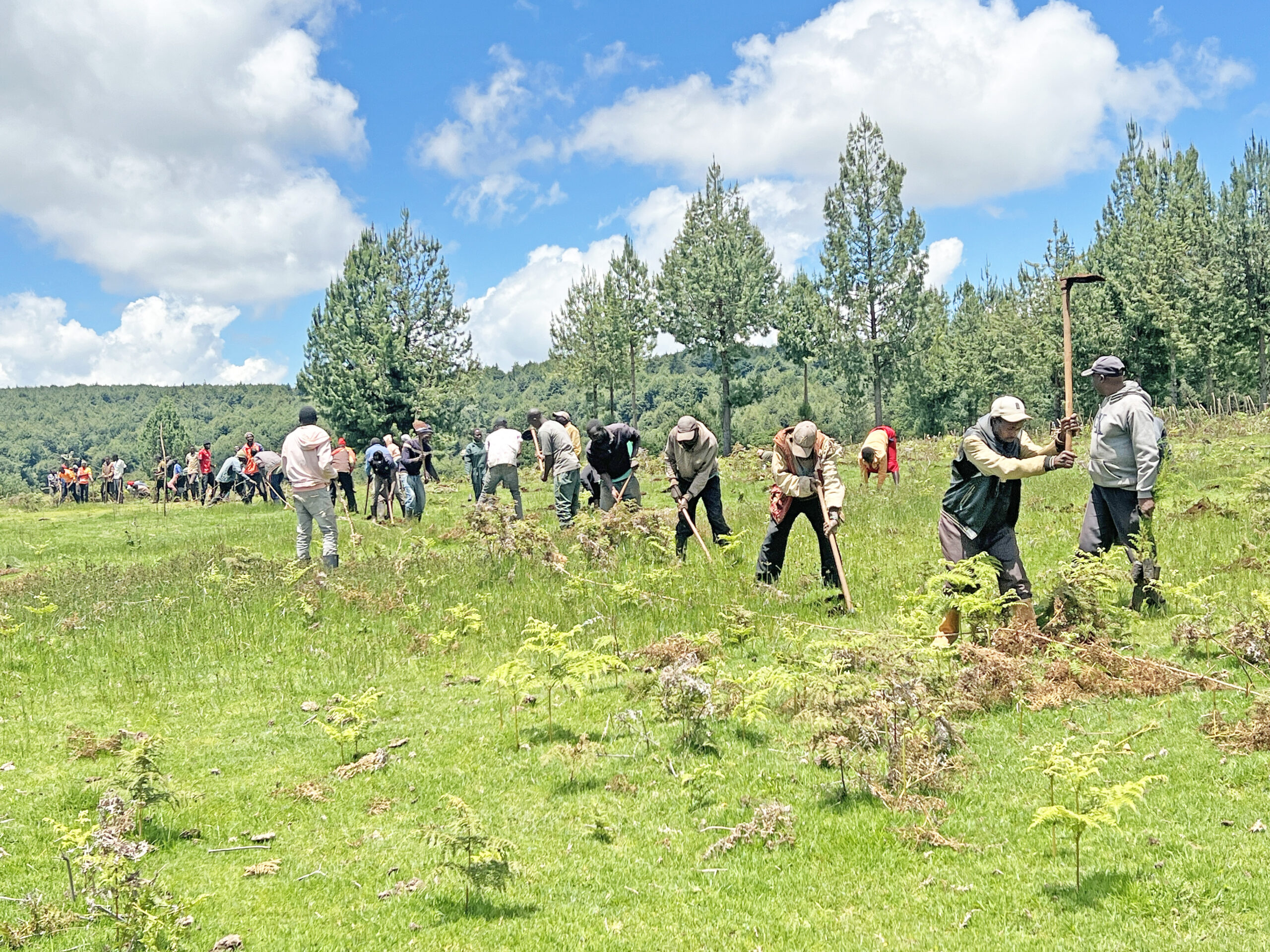
While tree planting remains a critical environmental intervention, KUTRRH has adopted a broader landscape restoration approach that focuses on rebuilding healthy, self-sustaining forest ecosystems. This strategy seeks to create lasting environmental, social, and economic value by restoring degraded landscapes and enhancing ecosystem resilience. Implemented in partnership with the Kenya Forest Service (KFS) and local communities in Elgeyo Marakwet County, the programme prioritizes sustainable forest management, ecological restoration, and community ownership. Since its inception in 2023, the initiative has consistently achieved its annual target of 52,000 trees, demonstrating that environmental sustainability can be successfully integrated into healthcare operations while creating tangible benefits for communities and the environment.
Community Partnerships Driving Sustainable Impact
A key contributor to the programme’s success is the Plantation Establishment and Livelihood Improvement Scheme (PELIS), a participatory forest restoration model implemented by KFS.
Through PELIS, communities living near forest areas play an active role in establishing, nurturing, and protecting trees while benefiting from controlled cultivation during the early stages of forest regeneration. This collaborative approach delivers multiple benefits, including:
- Higher tree survival rates and long-term forest sustainability.
- Increased community ownership and environmental stewardship.
- Improved household livelihoods and economic opportunities.
- Restoration of degraded forest landscapes.
- Enhanced climate resilience and ecosystem health.
By empowering local communities to become active custodians of restored forests, KUTRRH is helping create a sustainable model that balances environmental conservation with socio-economic development.
Strengthening Environmental Governance Through Global Standards
The ecosystem restoration programme reflects KUTRRH’s commitment to internationally recognized environmental safeguards through the implementation of the World Bank Environmental and Social Standards (ESS1 and ESS3).
Through these frameworks, the Hospital has strengthened environmental governance by:
- Integrating environmental risk assessments into restoration planning.
- Promoting inclusive stakeholder engagement and community participation.
- Enhancing resource efficiency and ecosystem conservation.
- Strengthening environmental monitoring and reporting mechanisms.
- Supporting climate change mitigation through carbon sequestration and landscape restoration.
- Delivering measurable environmental and social outcomes through evidence-based management.
This structured approach ensures that KUTRRH’s environmental initiatives remain transparent, accountable, sustainable, and aligned with global best practices.
Supporting Kenya’s National Tree Growing Agenda
KUTRRH’s annual contribution of 52,000 trees directly supports Kenya’s goal of achieving at least 30% national tree cover by 2032. Beyond increasing tree numbers, the programme delivers broader environmental and public health benefits, including:
- Improved carbon capture and reduction of greenhouse gas emissions.
- Protection of water catchment areas and critical ecosystems.
- Conservation of biodiversity and natural habitats.
- Improved air quality and environmental health.
- Increased resilience against climate-related risks.
These outcomes underscore the important relationship between healthy ecosystems and healthy populations.
Environmental Sustainability as a Healthcare Responsibility
As climate change and ecosystem degradation continue to affect health systems worldwide, KUTRRH remains committed to integrating environmental sustainability into its healthcare mandate. The Hospital recognizes that investments in ecosystem restoration contribute not only to environmental protection but also to improved public health outcomes, community well-being, and long-term sustainability.
By combining ecosystem restoration, community partnerships, carbon offsetting initiatives, and internationally recognized environmental principles, KUTRRH is positioning itself among healthcare institutions embracing environmental leadership as a vital component of delivering quality healthcare.
Building a Greener and Healthier Future
The successful planting of 52,000 trees during the 2025/2026 Financial Year represents more than an environmental achievement. It reflects KUTRRH’s ongoing commitment to restoring ecosystems, empowering communities, strengthening climate resilience, and contributing to a healthier and more sustainable Kenya. As the Hospital continues to champion responsible environmental stewardship, it demonstrates how healthcare institutions can play a transformative role in addressing climate change while creating lasting benefits for people, communities, and future generations.